
Hakbang at Habi: Where Every Stitch Tells a Story
Filipino Footwear Steps Into the Global Stage Through the 1st National Footwear Design Competition
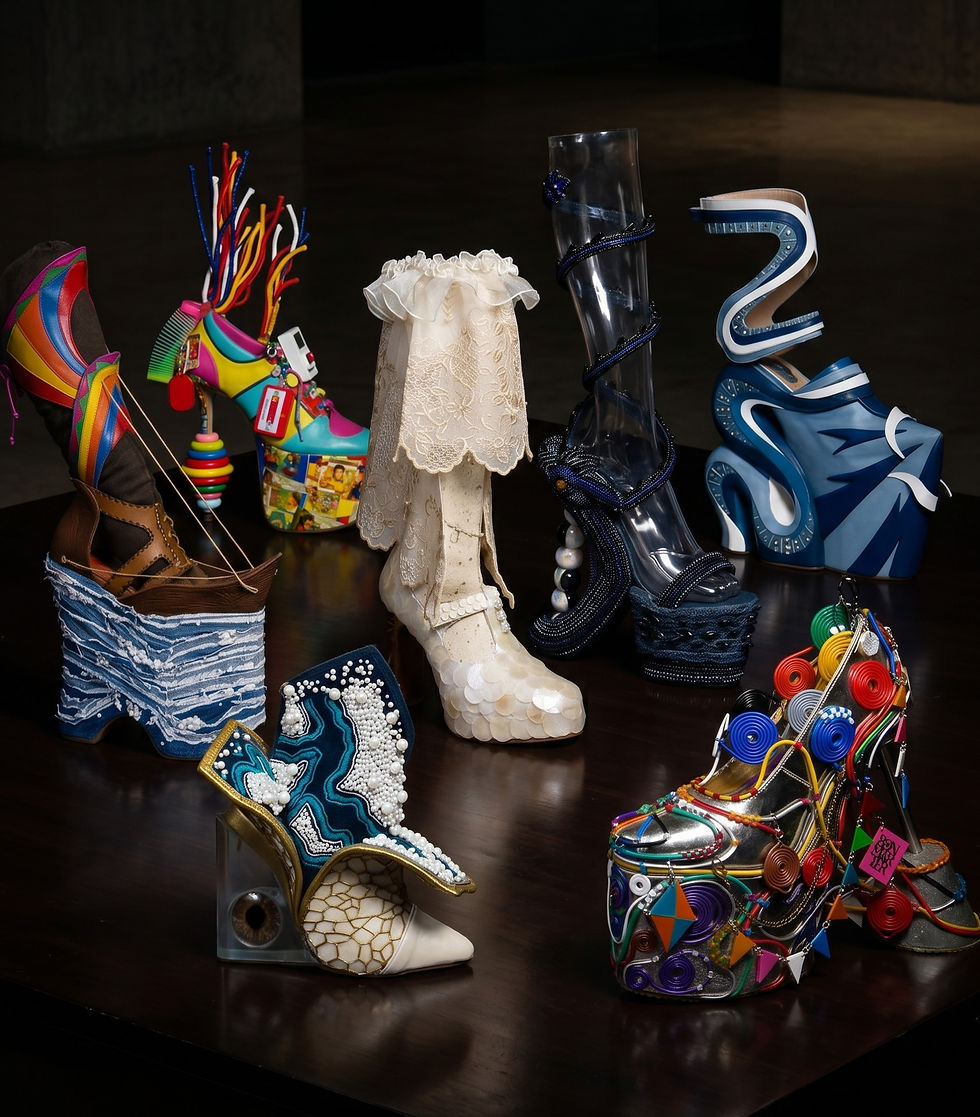
The Philippine footwear industry marked a defining moment with the launch of the 1st National Footwear Design Competition, titled “Hakbang at Habi | Where Every Stitch Tells a Story.” More than a design contest, it became a national platform where craftsmanship, culture, and innovation converged into a shared creative language.
Organized by the Filipino Footwear Alliance Association, Inc. (FFAA), the initiative brought together designers, manufacturers, government institutions, and mentors in a unified effort to elevate Filipino footwear design locally and internationally.



A Collective Push for Filipino Design
The FFAA, a growing network of footwear manufacturers, designers, and suppliers, continues to champion the advancement of the local industry through collaboration and global exposure. Its milestone membership in the Confederation of International Footwear Associations (CIFA) in 2025 opened the door for the Philippines to officially join the International Footwear Design Competition (IFDC)—placing Filipino talent on a world platform.
With the support of DOST–Philippine Textile Research Institute (PTRI) under the SAPATOS program and the Department of Trade and Industry – NCR, the competition was designed to highlight innovation anchored in Filipino identity.
Designing From Heritage, For the Future
Open to designers aged 18 and above nationwide, the competition called for footwear concepts inspired by Filipino heritage, indigenous textiles, and contemporary narratives.
The response was overwhelming: over 120 entries from across the country, each translating personal and cultural stories into wearable design.
From this pool, 18 finalists emerged, representing diverse regions and creative perspectives—from mythological reinterpretations to modern urban storytelling.


From Concept to Craft: Industry Collaboration
What set this competition apart was its hands-on production process. Finalist designs were not left as sketches—they were developed into actual prototypes through partnerships with Filipino manufacturers, including:
Verdandi Inc. | Nifty Shoes
SV Digital OPC | Loritess Shoes
JRM Konzept Shoes
Jacob by Fontelle Shoes
GIBI Shoes
Craftique Corporation
Redeyes Footwear Solution
These collaborations bridged design imagination with real-world craftsmanship, transforming ideas into fully realized footwear pieces.
Mentorship and Mastery
To strengthen execution, FFAA hosted a three-day Design Bootcamp (April 14–16, 2026) focusing on footwear construction, material innovation, storytelling, and intellectual property protection.
Industry mentors guided the finalists, including:
Maco Custodio
Buddy Tan
Ritchie Rodulfo
Joel Wijangco
The Intellectual Property Office of the Philippines (IPOPHL) also provided sessions on protecting original creative works—reinforcing the importance of design ownership in a global market.




The Top 18 Finalists
The finalists reflected a wide range of cultural narratives and design interpretations, including:
Mutya ng Panay by Pamela ForondaOryol by Hazel RoldanBakunawa Ngan Mga Kadayaw by Karen Mae T. La’oTangled (Sala-Salabit) by Bon MarterBalangay by Renegade LimpinPakan by Ricmar AgasSirena by Hanna Camille De VillaSayaw ng Butanding at ni Mayon by Lester Dellosa
and many more entries that showcased regional identity and storytelling through footwear.
A National Champion Emerges
Held on May 15, 2026 at the DOST-PTRI Tela Gallery, the awarding ceremony crowned “Tangled (Sala-Salabit)” by Bon Marter as Grand Champion.
Inspired by the chaotic web of electrical wires and cables across Metro Manila, the design reflected human struggle, resilience, and the search for direction within complexity. Its layered structure symbolized how growth can emerge from disorder.
The piece also received:
Best in Footwear Innovation
Best in Story Execution
Other top winners included:
1st Runner-Up: Mutya ng Panay
2nd Runner-Up: Oryol
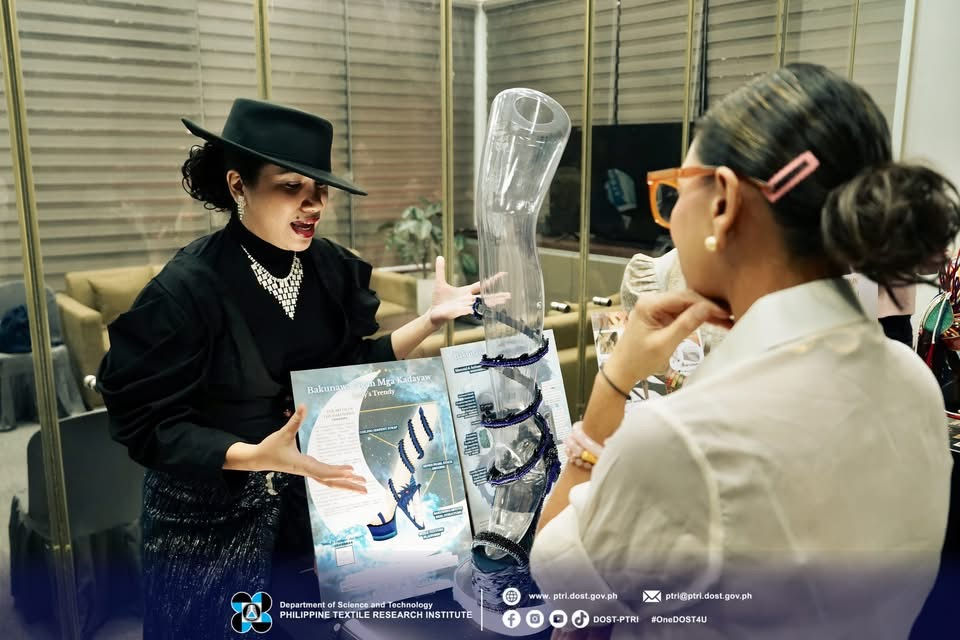
3rd Runner-Up: Bakunawa Ngan Mga Kadayaw


From National Stage to Global Recognition
All official entries proceeded to represent the Philippines at the International Footwear Design Competition (IFDC) in Guangzhou, China, held on May 20, 2026.
This marked FFAA’s first international participation as an official CIFA member—and a historic breakthrough for the country.
From 143 global entries across 19 countries, the Philippines secured its first-ever Gold Award after 11 years of participation, a milestone that redefined its position in the global footwear landscape.
Filipino Designs That Made History
Among the standout winners:
Pakan by Ricmar Agas
Awarded the Xinhaopan Group Gold Award, Pakan drew inspiration from Ilocano weaving traditions, incorporating symbolic elements such as shuttles and yarns. It honored generational craftsmanship while presenting it through a contemporary lens.
Tangled (Sala-Salabit) by Bon Marter
Winner of the Enterprise Group Gold Award, the piece extended its national success onto the global stage, reinforcing its powerful narrative of urban resilience and complexity.
Other International Winners
Sayaw ng Butanding at ni Mayon by Lester Dellosa – 3rd Place, Female Boots
Bakunawa Ngan Mga Kadayaw by Karen Mae T. La’o – 3rd Place, Female Trendy
Together, these works formed a layered portrait of Filipino identity—rooted in heritage, shaped by environment, and expressed through imagination.


A Defining Moment for Filipino Footwear
The 1st National Footwear Design Competition was more than a showcase of design talent. It became a turning point for the industry—uniting government agencies, private manufacturers, and creative communities under a shared vision.
From local storytelling to global recognition, the Philippines stepped forward not just as a participant in the global design conversation, but as a voice shaping it.
Each pair of shoes told a story. Together, they told a nation’s.



Comments