
FACETS: KAEL STREETS
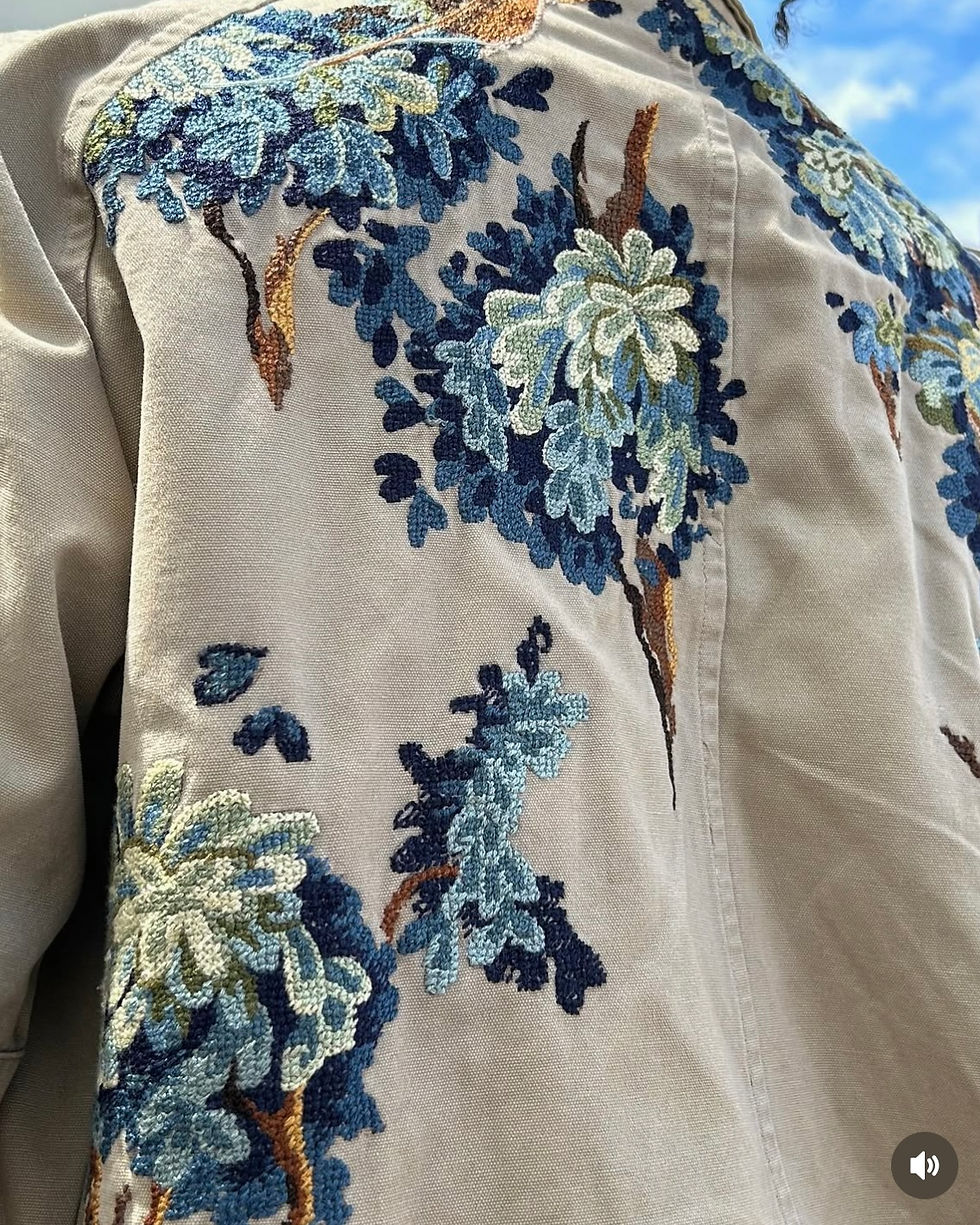
Kael Street exists in the space between nostalgia and modernity, transforming forgotten textiles, vintage fabrics, and delicate embroidery into pieces that feel deeply personal. Rooted in storytelling and slow craftsmanship, the brand creates garments that carry warmth, memory, and a sense of history, proving that fashion can be both wearable and emotional.
Inspired by fashion history, cinema, and the romance of past eras, Kael Street embraces intuitive creation over fast-moving trends. Through repurposed materials and handwork, the label highlights the beauty of Filipino craftsmanship while encouraging a more thoughtful relationship with clothing, sustainability, and self-expression.
For this edition of BLNC Facets, we step into the world of Kael Street to talk about memory, artistry, slow fashion, and the stories woven into every piece.

Kael Street feels deeply nostalgic yet modern at the same time. What emotions or memories do you hope people experience when they wear your pieces?
It would be the warmth that comes with reminiscing about happier, simpler times. Cheesy as it sounds, I simply want people to feel special — knowing that the fabrics they are wearing has endured time, and was skillfully crafted by human hands. It warms my heart to see people’s smiles when they wear our work. I hope to elicit a positive memory or feeling, in the same way that you would when you see a work of art that resonates with you. And to be able to wear art is a happy feeling.
Your work often transforms old household textiles into wearable garments. What first drew you to the beauty of forgotten fabrics and vintage materials?
I was drawn to the hidden potential behind them, and all the fun possibilities in transforming them. They all have their own charm, you just have to look past the dust and really appreciate them for what they are and how they’re made.


You’ve described Kael Street as a space to experiment beyond what fast fashion offers. How important is creative freedom to your process as a designer?
I think that your work shines the most when you stay true to yourself and you need the creative freedom to do that. My process is intuitive, and i work best when I just go with the flow. Try now, worry later. It’s necessary for me to have that freedom to explore new mediums and techniques in a way that makes sense to me. Otherwise it would feel wrong and it will show.
A lot of your designs carry an “old soul” energy. What eras, films, music, or cultural references continue to inspire your visual language today?
All I know is that I love movies, and I love fashion history! So naturally I gravitate towards period dramas and fantasy genre. There are long hours of research involved in making costumes — you have to blend history with the way your characters move around the world they’re in, all while looking visually compelling on screen! In visual media, you can truly see the role clothes play into telling a full story. Observe the way your wardrobe changes throughout the years as your taste shifts and as your character grows. Sometimes when I pick out an outfit, I like to imagine myself in a movie. Call me delulu but it’s fun!
Fashion is cyclical so you’ll often see trends resurface throughout history. I’m inspired by the silhouettes, structure, and prints that persist in different eras — puff sleeves, drop waist, etc. If I had to pick a favorite, it would probably be the 70s. The music and the glamour of it all! I could never get sick of it.


Hand embroidery plays a huge role in your pieces. What does needlework personally mean to you beyond fashion and craftsmanship?
Needlework, to me, has always been a source of relaxation. I can ease away the worries of the day when I sit down and focus on my sewing. The repetitiveness of it is meditative, and the sense of accomplishment once you’ve finished the very thing you devoted your time to is so satisfying.
Needlework is also an underrated medium that I feel like needs to be explored more in this country! Textile art can be a very sustainable way of art when you breathe life into scraps or worn-down garments.
Needlework doesn’t get the same treatment as other mediums in art, perhaps because people associate it with domesticity (something undervalued by the patriarchy). But when you look at history, women have cultivated and documented the history and culture of their community through narrative needlework. And they didn’t just document momentous victories and losses of their tribes, but also the simple moments of everyday life — moments that shape their community and define their identity. History that could otherwise have been erased in time. It’s beautiful how you can immortalize your life through art.
Sustainability is often discussed in broad terms, but your approach feels very personal and intimate. How do you define slow fashion in your own words?
Slow fashion is intentionally made – to benefit people and your community, all while minimizing negative impact to the environment. Often made in small batches, to avoid over production and waste.


Many people are becoming more conscious about consumption, but fast fashion still dominates everyday life. What conversations do you hope Kael Street sparks among younger consumers?
Apart from being conscious shoppers, I feel that it’s also important to have conversations on ways we can practice sustainability outside of consumption. It’s also nice to know how to mend and repair clothes when needed, to lengthen the lifespan of your clothes instead of throwing them away.
Your designs feel highly emotional and story-driven. Do you think clothing can carry memory or history in the same way art does?
Absolutely! In fact I think it speaks volumes about the way we live considering that our clothes are our second skin. We live, breathe, and move with them. We choose our clothing based on how we want to present ourselves to the world.
I have clothes that are tied to good days and certain milestones; Sometimes clothes trigger certain memories, especially clothes that we’ve kept for way long.
You can trace history through clothes from the very stain in your shirt, to the surface techniques used to manipulate fabric, to the very fibers of that cloth.

You mentioned that your creative process is instinctive and gut-driven. How do you know when a piece finally feels complete?
For a lack of a better term — just vibes. Even with all the mix of prints and colors, it should feel balanced in a way. Some fabrics can shine on their own, some look best with another element. I’ll know it’s good to go when they’re in harmony.
As someone working with vintage and repurposed textiles, what are the biggest challenges in balancing sustainability, craftsmanship, and wearability?
For some reason, I immediately thought of time. Sometimes I feel like i’m being chased by time to finish so many things that need to be accomplished (I say this in a lighthearted way haha). Though i’m not complaining, it’s just the nature of things. As a slow fashion brand, we operate in small scale. Personally, we like to keep it that way because it works well for us as we’re able to maintain quality and avoid overproduction. Sometimes though, we find ourselves challenged with time management. It takes time and care to source materials, sanitize and repair damages accumulated from years of existence, and then to fashion a garment that’s made to live in for years to come. This whole process is something we deeply enjoy doing though, so every challenge we come across doesn’t seem too bad.

Filipino craftsmanship is central to your work. In what ways do you hope local fashion continues to evolve while still honoring tradition?
We have such a rich cultural tradition surrounding craft and Filipinos are so resourceful — I feel like we can blend those and maximize them in fashion. There are so many communities of artisans all over this country who are still maintaining their craft that’s been taught through generations — from embroidery, beadwork, weaving, to woodcarving and jewelry making. I think it would be nice to explore collaborating with them in blending traditional techniques with current fashions (in a way that still stays true to our identity), both to preserve tradition, and innovate local fashion. With collaboration also comes more knowledge about our history and craft, which we can pass on to the younger generation and aspiring creatives.
Fashion today moves incredibly fast online. How do you personally stay grounded and connected to intentional creation amidst constant trends and digital noise?
I try to stay offline as much as I can (which is kinda hard when you’re running a brand, a lot of things hinge on online presence these days). Social media feels so different these days from how it used to be. And with the fashion side of it, there’s this expectation to keep churning out ideas that will grab everybody’s attention.
I try not to succumb to that and just focus on having fun and staying true to who we are as a brand. This means less time scrolling on social media and more on staying present doing the things I love. Personally I love to have a documentary playing in the background while i work. It reminds me of how big and grand this whole world is and how much of it i’ve yet to see. It fills me with a sense of wonder that inspires me to create.


Looking ahead, what worlds, techniques, or stories are you excited to explore next through Kael Street?
There’s so much! Where do I even begin? We’re still pretty new and are honestly still figuring a lot of things out (but then again, life is a never ending cycle of ‘figuring things out’). We’re quite optimistic about the future though, and are very eager to learn.
I want to try exploring new surface manipulation techniques with repurposed fabrics, but at the same time I feel like i’ll always come home to embroidery. My heart is there, and it’s just such a reliable way to mend. I want to try experimenting with more romantic silhouettes too, especially with vintage lace and how it moves and drapes. That’s only to name a few. I want to take my time this year, trial and error, then see where to go from there.


Comments